Voice Synthesizers

This article was written by Darek

BSc Computer Science

I'm a Durham Student and I'm quite liking Python right now. I am also very much so a PC gamer.

Darek's Linkedin

ALS ( Amyotropic Lateral Sclerosis ) has several names, in the US it is generally known as "Lou Gehrig's disease" and It has been known as "motor neuron disease". ALS has been brought to the public light in recent years as Stephen Hawking gained popularity, due to his noble prize and general academic accomplishments as also very likable character, and the internet phenomenon of "The ice bucket challenge". This charity event involved recording yourself pour ice cold water on your head and donate to the ALS Association, Les Turner ALS Foundation, or ALS Therapy Development Institute and then passing on the nomination to do the ice bucket challenge to 3 other people. This ended up raising $220 million.
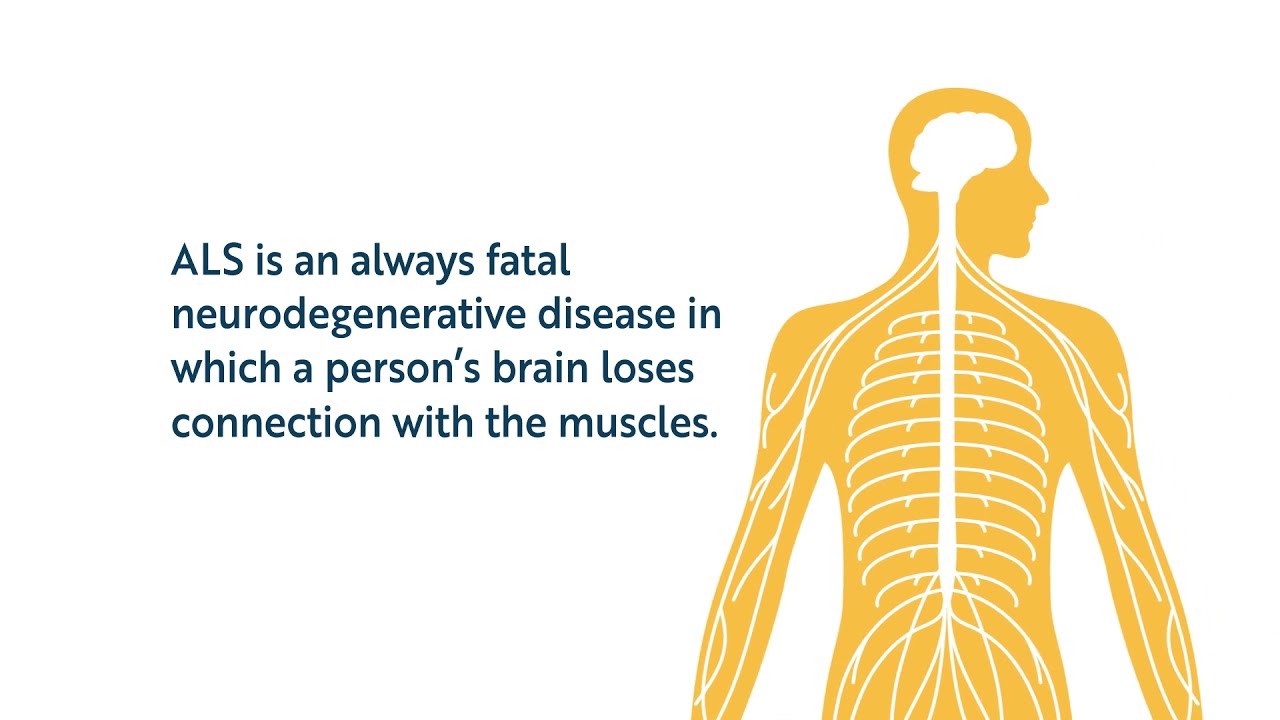
Infographic indicating ALS is always lethal.

People who suffer from ALS experience progressive neurodegeneration which affects nerve cells in the brain and the spinal cord. This causes the person's motor neurons (nerves that fire off and begin the action) to die, therefore ALS is a terminal illness which causes the person to lose control over the movement of their body. This includes speaking, when the average person thinks of Stephen Hawking, they picture him in a wheelchair and, more relevantly, communicating via a computer speaking what he wrote. That isn't quite the ALS voice synthesizer as I'll explain in the next paragraph but I hope it gives you the gist of what it is.


The ALS voice synthesizer utilises past audio clips of the person suffering from ALS to recreate their voice. This restores the persons voice, not only their ability to communicate as that could be achieved through using other means. But restoring their voice, we often don't realise how much we associate ourselves with our own voice and losing that in a battle with a terminal illness is like losing a part of you while alive. This is why organisations such as the Acapela group or the Model Talker exist and offer ALS voice synthesizers which are made personalised using the persons voice from past audio clips.

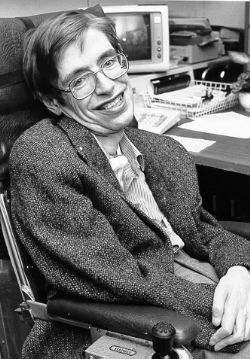
This is a picture of Stephen Hawking.

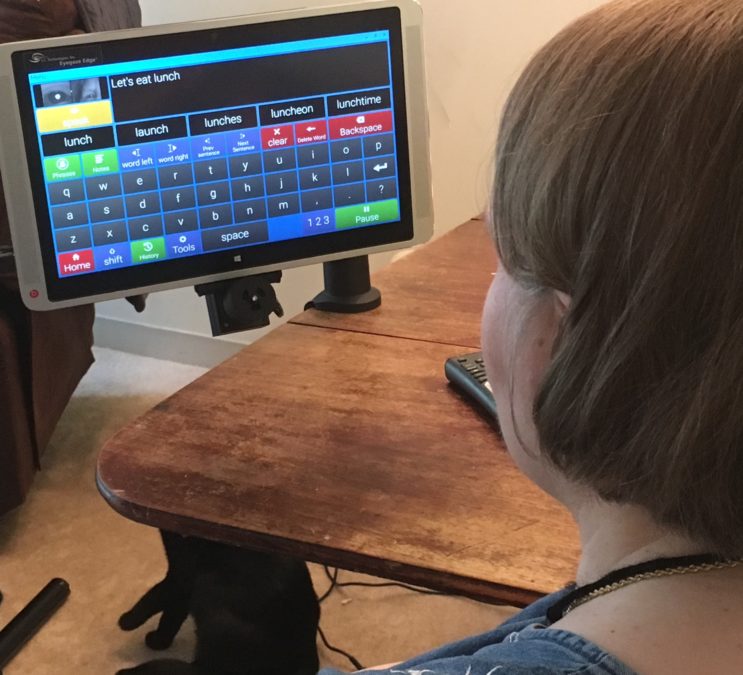
Woman uses eye gaze technology with voice synthesizers.

In fig. 3 you can see an eye-gaze device, where the user utilizes their eye movements, that are picked up by a camera, to select letters on the screen to form words and sentences that are then spoken aloud by the computer, in the user’s voice generated from past audio clips. As eye-gaze devices only require that the user can control their eye muscles to work the device, for many with ALS this kind of voice synthesizer is usually used when the user’s illness has progressed to the point where other forms of voice synthesizers would no longer help them.

Other companies, such as I have a Voice, have taken these devices and have simplified them into an app for the user’s phone, which uses the phone’s camera to track their eye movements and uses them as a cursor to select communication options, which are said out loud to alert people nearby of their request. These apps are very convenient due to their portability and make it easy for the user to portray their needs quickly, however, due to its simplicity, it lacks the personality that may help the person living with ALS feel like they still have control and are still themselves which is why voice synthesizers can be so important.