STARLINK
SpaceX, founded by billionaire entrepreneur Elon Musk, unveiled their Starlink project in 2015, launching satellites into low Earth orbit just 4 years later -- around 550km up. Since 2019, SpaceX has been launching more Starlink satellites in order to provide low-latency internet access to 40 countries.
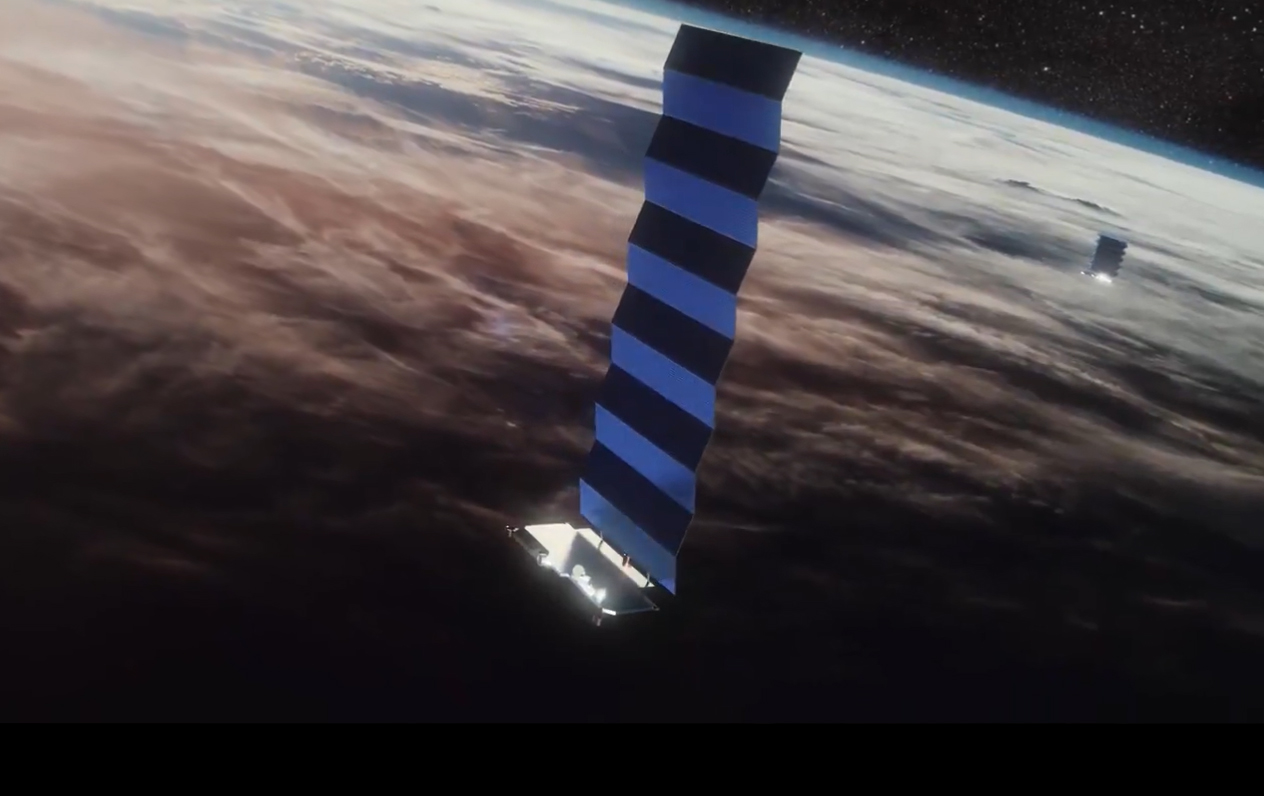
Due to the satellites being in low Earth orbit, they can, according to their website provide a stable, reliable internet connection with much faster speeds than geo-sat networks. That is to say, around 20ms of latency compared to the 600+ms latency of traditional geo-sat netowrks. During the conflict between Russia and Ukraine, SpaceX launched a Starlink satellite above the European country to provide emergency support and relief to their citizens. According to the USAID website, as of April 5, SpaceX and USAID had delivered 5,000 terminals to Ukraine, of which SpaceX had donated 3,667 or 73%, and the rest had been purchased by USAID.

Despite some controversy in October 2022, Starlink has been a very successful service, with over 700,000 concurrent subscribers as of September 2022, and that number will likely continue to rise. Starlink not only wants to provide a solid internet service to underserved areas and countries, but has positioned itself in a great place to target people with a nomadic lifestyle, like people who live in boats, or in motorhomes that tour the country. As there are no wires involved in connecting to the satellite, being able to move around whilst using Starlink makes it exceptionally useful for people who may live 'off grid'. To conclude, Starlink seems to be helping the world, one connection at a time. Even though Elon Musk is viewed as a 'villain' by some, it is undeniable that the intentions for the Starlink service are good, and that it has helped people to a fantastic degree.